• You are here:
  • Home »
  • Psychology, Sociology & The Brain

Category Archives for Psychology, Sociology & The Brain

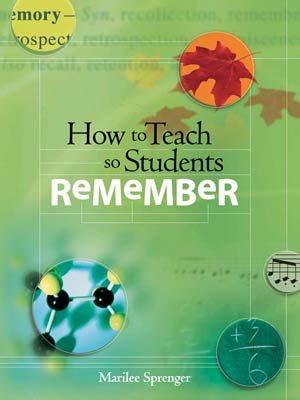
Teaching Students How to Remember

- 3 Credits - 

3 Semester Credits

(post-baccalaureate
PD credits for re-certification and
pay-lane increases
)

  • accredited nationwide
  • start any time
  • up to 5 months to complete
  • independent study
  • all course materials included with course tuition
  • view FAQ

Course Description

This course will study learning and memory and how the brain processes information for memory retention and retrieval. The anatomy of the brain and how brain cells function as well as chemical reactions that facilitate the memory and learning process are explained. Teachers will learn about the different types of memory, such as semantic, location, emotional, episodic, and procedural and location memories Educators will evaluate their teaching methods and apply brain memory and learning strategies for improving student achievement. Students will develop written lessons and activities for classroom applications to help students remember curriculum content.


$425

3 Semester Graduate Credits

Item categorypsychology-sociology-the-brain not found.Item ma-categorypsychology-sociology-the-brain not found.Item categorypsychology-sociology-the-brain2 not found.Item ma-categorypsychology-sociology-the-brain2 not found.

Teaching Students How To Remember

- 3 Graduate Credits -

Course Objectives

  1. Educators will learn how to reach students so they can be taught specific subject content utilizing background knowledge and memory reflection.
  2. Teachers will explore how to reinforce content for memory retention and recode self-generated information to improve memory recall.
  3. Educators will review content reinforcement strategies the include student feedback and the discussion processes that reinforce learning and memory.
  4. Teachers will examine reviewing and practice techniques that reinforce information knowledge and retention for faster and easier content retrieval.
  5. Teachers will develop writings, lessons and activities to apply the seven "R's" of memorization into their classroom instructional practices.

Credit Hours

3 Semester Credits (post-baccalaureate professional development credit)

Course Instructor

Joseph C’de Baca MaEd.

Grade Type

University Transcript: Click Here For Details

Teaching Students How To Remember

Teaching Students How to Remember

- 3 Credits -  3 Semester Credits (post-baccalaureate PD credits for re-certification andpay-lane increases) accredited nationwide start any time up to 5 months to complete independent study all course materials included with course tuition view FAQ Course Description This course will study learning and memory and how the brain processes information for memory retention and retrieval. The anatomy of the brain and how brain cells function as well as chemical reactions that facilitate the memory and learning process are explained. Teachers will learn about the different types of memory, such as semantic, location, emotional, episodic, and procedural and location memories Educators

TLC Testimonials

I would like to personally thank the individual or group who decided to offer courses that were very ideally fitting for educators. I am more excited about these courses than any professional development I have taken in over ten years. Thank you for thinking outside the box and offering courses that sound so fascinating and meaningful.” – Tina B. , Maryland
Thank you very much, I appreciate your help in getting this to me for timely processing with my district.” – Christine G. , Indiana
Thank you for your willingness to e-mail me promptly regarding my questions. I really, really appreciate the format that TLC provided me. I will definitely continue to share my positive experience with fellow staff and hopefully you will see continued fruit from that. I will definitely use TLC again.” – Darin K. , Oregon
My superintendant forwarded an email about TLC to me” – J. Churchill. Danvers, MA
I heard about this program through a friend. The courses were approved by the Virginia Board of Education” – M. Barry. Fairfax, VA
Thanks for the feedback on Part B of the coursework. I used it as part of a World Geography course, and it was a success, so I will make it a regular part of curriculum!…” – Carolyn P. Boulder, CO – Understanding Hispanic Students and Issues

$425

(3 Semester Graduate Credits)

How to Renew Your Teaching Certificate: Complete Guide by State

1. How to Renew Your Teaching Certificate: Complete Guide by State   Maintaining a valid teaching certificate is crucial for educators in K-12 classrooms. Every state has specific renewal requirements designed to ensure teachers stay current with best practices, educational standards, and professional development. Whether you’re a seasoned educator or renewing your certificate for the first time, understanding your state’s requirements can save you time and stress. This guide breaks down the general process for teaching certificate renewal and provides a state-by-state overview to help you navigate the requirements efficiently.   2. General Steps to Renew a Teaching Certificate

Theresa M. – PA –

“Hello, Dave. In my email to parents, I mentioned my very recent course with you [Designing an Online Classroom]. I had no idea how timely it would be. I do believe that my students and I haven’t skipped a beat! Of course, it changes things a fair amount, but I am very glad to already have experience with tools that were fun in the classroom but indispensable now!”

Tracey W. – WV –

“That was speedy! Thank you again for your time and all that you do!”                                      

Kimberly W. – PA –

“I LOVED the Assertive Discipline text and have already begun to implement many of the aspects – behavior narration, 100% compliance-100% of the time- into my classroom”                                    

Paul W. – OH –

” Thank you for the opportunity to reflect. I enjoyed the book! “                                    

Vicki W. – OH –

“Thank you soooo much! I appreciate all of your help getting started (and finished) with this course! “                                    


Continue Reading >>

Seven Habits of Highly Effective Teens

- 3 Credits - 


3 Semester Credits

(post-baccalaureate
PD credits for re-certification and
pay-lane increases
)

  • accredited nationwide
  • start any time
  • up to 5 months to complete
  • independent study
  • all course materials included with course tuition
  • view FAQ

Course Description

This course will present the concepts of the best selling book: The 7 habits of effective people for teenage applications. Educators will learn to present these habits to students so they can understand and apply them in their school and personal lives. The concepts of synergizing and negotiating win-win outcomes are presented. Teachers can use the visuals and cartoons in the book so students can relate to various behavior and interpersonal concepts. Educators will develop writings, lessons and/or activates for classroom application that utilize the 7 habits of effective teenagers in schools.

Teacher feedback about this course

$425

3 Semester Graduate Credits


Item categorypsychology-sociology-the-brain not found.Item ma-categorypsychology-sociology-the-brain not found.Item categorypsychology-sociology-the-brain2 not found.Item ma-categorypsychology-sociology-the-brain2 not found.

Seven Habits of Highly Effective Teens

- 3 Graduate Credits -


Course Objectives

  1. Educators will learn how the seven habits of effective people apply to schools and how to use them when working with teenagers to utilize constructive habits for living.
  2. Teachers will examine how to use positive and proactive habits to build personal bank accounts as well as the needed skills and social Rewards on Investment (ROI).
  3. Educators will be presented with the skill (habit) of visioning with the "End in Mind" as well as prioritizing tasks and behaviors for maximum benefit.
  4. Students will be able to synergize knowledge, information and resources to seek understanding and negotiate win-win strategies for social success.
  5. Teachers will develop writings and activities that apply the 7 habits into their instructional program so students can apply them in schools and their personal lives.

Credit Hours

3 Semester Credits
(post-baccalaureate professional development credit)

Course Instructor

Joseph C’de Baca MaEd.

Grade Type

University Transcript: Click Here For Details

Seven Habits of Highly Effective Teens

What Others Are Saying...

I would like to personally thank the individual or group who decided to offer courses that were very ideally fitting for educators. I am more excited about these courses than any professional development I have taken in over ten years. Thank you for thinking outside the box and offering courses that sound so fascinating and meaningful.”
– Tina B. , Maryland
Thank you very much, I appreciate your help in getting this to me for timely processing with my district.”
– Christine G. , Indiana
Thank you for your willingness to e-mail me promptly regarding my questions. I really, really appreciate the format that TLC provided me. I will definitely continue to share my positive experience with fellow staff and hopefully you will see continued fruit from that. I will definitely use TLC again.” – Darin K. , Oregon
My superintendant forwarded an email about TLC to me”
– J. Churchill. Danvers, MA
I heard about this program through a friend. The courses were approved by the Virginia Board of Education”
– M. Barry. Fairfax, VA
Thanks for the feedback on Part B of the coursework. I used it as part of a World Geography course, and it was a success, so I will make it a regular part of curriculum!…”
– Carolyn P. Boulder, CO – Understanding Hispanic Students and Issues


$425

(3 Semester Graduate Credits)


Continue Reading >>

How To Deal With Difficult Parents

- 3 Credits - 


3 Semester Credits

(post-baccalaureate
PD credits for re-certification and
pay-lane increases
)

  • accredited nationwide
  • start any time
  • up to 5 months to complete
  • independent study
  • all course materials included with course tuition
  • view FAQ

Course Description

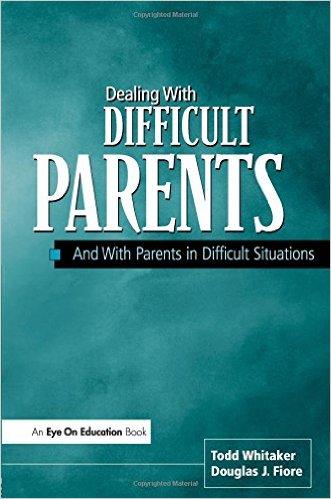
This course explores the dynamics of today’s difficult parents who may challenge schools or teachers. Analyzing the cause of combative parents such as poverty, affluence and family system dynamics help educators understand these parents. Ways of dealing with and communicating with difficult parents are presented. Strategies for teachers and school personnel to prevent conflict with parents and handling difficult situations are discussed. Presenting bad news to parents as well as increasing parent involvement is also addressed. Educators will research this issue and write an application essay or project activity that addresses difficult parents in schools

Teacher feedback about this course

$425

3 Semester Graduate Credits


Item categorypsychology-sociology-the-brain not found.Item ma-categorypsychology-sociology-the-brain not found.Item categorypsychology-sociology-the-brain2 not found.Item ma-categorypsychology-sociology-the-brain2 not found.

Dealing with Difficult Parents

- 3 Graduate Credits -


Course Objectives

  1. Educators will review the historical dynamics of today’s parent and their relationship to schools, how that has changed and how to handle parenting situations that may arise.
  2. Teachers will be presented with a variety of strategies to communication and cultivating relationships with parents as well as being proactive to avoid potential problems that may arise in difficult situations.
  3. Educators will examine ways of presenting bad news or other student deficiencies to parents in a manner that is none threatening and yet is consistent with school policy.
  4. Teachers will explore the curriculum's focus and how teachers, principal, students, and parents all contribute to the harmony of a positive school experience for students.
  5. Educators will then research this topic and parent involvement in monitoring student responsibilities such as homework as well as parent involvement in school activities.

Credit Hours

3 Semester Credits (post-baccalaureate professional development credit)

Course Instructor

Joseph C’de Baca MaEd.

Grade Type

University Transcript: Click Here For Details

Dealing with Difficult Parents

What Others Are Saying About This Course

Jane T. – IL –

“I learned a great deal in this class and appreciate it’s affordability.”                                    

Peter M. – NJ –

“Thank you for being so considerate and understanding. If you need anything else please let me know.“

Mary M. – WA –

“I have received all I need for now. Thank you so much for expediting these papers for me. I appreciate the quick response and will start work on the course at the end of our final school day today. I’m looking forward to learning more about this subject.“

Helen F. – VT –

“Dear Joseph, thanks for this information. It was a pleasure to complete the work! I have used the research paper a few times in school meetings. Thanks again for offering these services to teachers, especially those of us living in the hinterlands!”

Whitney D. – CA –

“Thank you for a wonderful experience. I cannot wait to take what I have learned and apply it to my new first grade teaching job. I know I will be able to use both classes to continue improving myself as an educator.“

Anne B. – OH –

“I found the course very interesting, and can’t wait to begin the paradigm with some of my high school students. Thank you.“

TLC Testimonials

I would like to personally thank the individual or group who decided to offer courses that were very ideally fitting for educators. I am more excited about these courses than any professional development I have taken in over ten years. Thank you for thinking outside the box and offering courses that sound so fascinating and meaningful.”
– Tina B. , Maryland
Thank you very much, I appreciate your help in getting this to me for timely processing with my district.”
– Christine G. , Indiana
Thank you for your willingness to e-mail me promptly regarding my questions. I really, really appreciate the format that TLC provided me. I will definitely continue to share my positive experience with fellow staff and hopefully you will see continued fruit from that. I will definitely use TLC again.” – Darin K. , Oregon
My superintendant forwarded an email about TLC to me”
– J. Churchill. Danvers, MA
I heard about this program through a friend. The courses were approved by the Virginia Board of Education”
– M. Barry. Fairfax, VA
Thanks for the feedback on Part B of the coursework. I used it as part of a World Geography course, and it was a success, so I will make it a regular part of curriculum!…”
– Carolyn P. Boulder, CO – Understanding Hispanic Students and Issues


Continue Reading >>

The Mysteries of Motivation and Learning

- 3 Credits - 


3 Semester Credits

(post-baccalaureate
PD credits for re-certification and
pay-lane increases
)

  • accredited nationwide
  • start any time
  • up to 5 months to complete
  • independent study
  • all course materials included with course tuition
  • view FAQ

Course Description

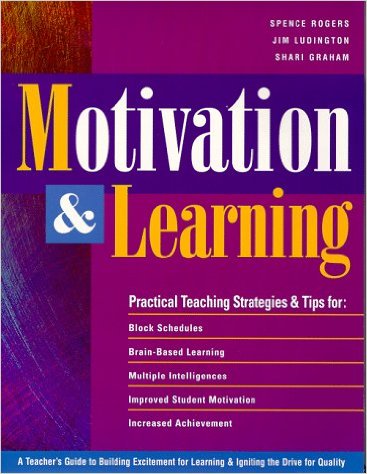
This course will provide strategies and tips on ways for teachers to increase motivation and learning for students in the classroom. They will examine brain-based learning and multiple intelligences to help teachers design instructional units. Hundreds of teaching tips and student activities are presented for teacher implementation. Teachers will view DVDs about consciousness, quantum physics and the Law of Attraction. Educators will also learn about developing instructionally supportive activities and strategies to improve motivational and instructional impact in classrooms.

$425

3 Semester Graduate Credits


Item categorypsychology-sociology-the-brain not found.Item ma-categorypsychology-sociology-the-brain not found.Item categorypsychology-sociology-the-brain2 not found.Item ma-categorypsychology-sociology-the-brain2 not found.

Motivation and Learning

- 3 Graduate Credits -


Course Objectives

  1. Teachers will review student relationships and how to make learning easier without lowering standards. They will learn how to use various teaching tips and strategies.
  2. Students will read about various quick-tips for increasing motivation and learning. They will examine and apply the various ideas for possible applications into their teaching environment.
  3. Educators will examine how motivation works in human behavior and how to get students to be intrinsically motivated. The video: The Law of Attraction and are also viewed to blend mental consciousness concepts into motivation applications.
  4. Educators will examine the motivation tips as they relate to instructional content and teaching for classroom implementation.
  5. Teachers will learn about assessments, testing, and grading tips as they check for validity regarding testing and how they can be used for motivating students

Credit Hours

3 Semester Credits (post-baccalaureate professional development credit)

Course Instructor

Joseph C’de Baca MaEd.

Grade Type

University Transcript: Click Here For Details

Motivation and Learning

What Others Are Saying About This Course

Giuseppe L. – NJ –

“As an Assistant Principal in the beginning stages of implementing PLC’s I found the book to be a useful resource. I hope that my work reflects the valid real life experiences I was able utilize in my position.“

Giuseppe L. – NJ –

“This is the third course I’ve completed through your program and again I will be able to incorporate what I have learned in my everyday experience.“

 TLC Testimonials

I would like to personally thank the individual or group who decided to offer courses that were very ideally fitting for educators. I am more excited about these courses than any professional development I have taken in over ten years. Thank you for thinking outside the box and offering courses that sound so fascinating and meaningful.”
– Tina B. , Maryland
Thank you very much, I appreciate your help in getting this to me for timely processing with my district.”
– Christine G. , Indiana
Thank you for your willingness to e-mail me promptly regarding my questions. I really, really appreciate the format that TLC provided me. I will definitely continue to share my positive experience with fellow staff and hopefully you will see continued fruit from that. I will definitely use TLC again.” – Darin K. , Oregon
My superintendant forwarded an email about TLC to me”
– J. Churchill. Danvers, MA
I heard about this program through a friend. The courses were approved by the Virginia Board of Education”
– M. Barry. Fairfax, VA
Thanks for the feedback on Part B of the coursework. I used it as part of a World Geography course, and it was a success, so I will make it a regular part of curriculum!…”
– Carolyn P. Boulder, CO – Understanding Hispanic Students and Issues


$425

(3 Semester Graduate Credits)


Continue Reading >>

Tweens, Teens, and Teachers

- 3 Credits - 


3 Semester Credits

(post-baccalaureate
PD credits for re-certification and
pay-lane increases
)

  • accredited nationwide
  • start any time
  • up to 5 months to complete
  • independent study
  • all course materials included with course tuition
  • view FAQ

Course Description

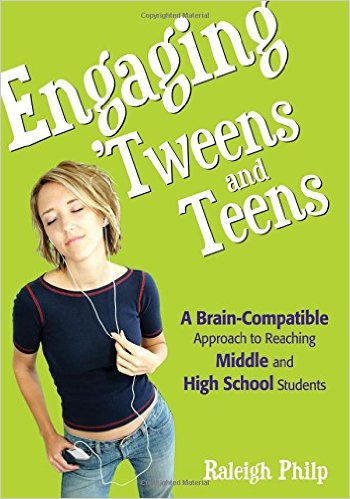
This course examines new brain learning research findings and how they work with psychology. It looks at brain mapping, environment and genetic effects. How the brain goes through a variety of changes during adolescence is explained. The use of technology, computers, cell phones and other devices has changed how the brain is programmed and how adolescents in today’s society have changed. Strategies for engaging student in learning are presented to assist teachers and school administrators to improve academic performance. Educators will research the topic of teen brain and social development write and application essay or a project activity for implementation.

Teacher feedback about this course

$425

3 Semester Graduate Credits


Item categorypsychology-sociology-the-brain not found.Item ma-categorypsychology-sociology-the-brain not found.Item categorypsychology-sociology-the-brain2 not found.Item ma-categorypsychology-sociology-the-brain2 not found.

Engaging Teens and Tweens

- 3 Graduate Credits -


Course Objectives

  1. Educators will review the new findings in brain research that explain how the brain learns, make new connections and how our thinking is changed through brain plasticity.
  2. Participants will be presented with the various changes that the brain makes during adolescence and explore how technology and the media have changed how the brain functions with the new generations of students.
  3. Educators will learn about making material meaningful, how emotions affect the brain and learning as well as how stress affects the brain and body.
  4. Participants will explore techniques for managing student psychological states in order to engage them in learning and help them to recall and apply knowledge.
  5. Educators will research this topic as it applies to student choices regarding drugs, promiscuity, and alcohol as well as to their broader decision-making abilities.

Credit Hours

3 Semester Credits
(post-baccalaureate professional development credit)

Course Instructor

Joseph C’de Baca MaEd.

Grade Type

University Transcript: Click Here For Details

Engaging Teens and Tweens

What Others Are Saying About This Course

Laurie R. – CO –

“Thank you! I sure appreciate your program – it is great for a single, busy mother/teacher like me!“

Marge M. – IL –

“I hope someday we can meet! You crack me up!! You seem like the kind of professor I would enjoy having a class with! Thanks for all your kind words! Have a wonderful weekend! I plan on working on working on some ideas this weekend for the next week of classes!“

Marge M. – IL –

“thank you! I enjoyed taking your courses and I am sending many fellow teachers your site to take additional courses! I wish I could have gotten started with your courses soon, I felt they were much more applicable to teachers. Have a great summer!“

Cathy L. – NY –

“Thanks so much. It was a fun course. I think I might actually be able to use some of the info I learned. 🙂“

Alexis L. – PA –

“Thank you very much for getting back to me so quickly! I just have one more question. Is there any way I can get an electronic copy of my receipt for these two courses? Thank you so much for your time. I’ll be sure to let more of my colleagues know about the wonderful opportunities you present to educators for continuing education!“

TLC Testimonials

I would like to personally thank the individual or group who decided to offer courses that were very ideally fitting for educators. I am more excited about these courses than any professional development I have taken in over ten years. Thank you for thinking outside the box and offering courses that sound so fascinating and meaningful.”
– Tina B. , Maryland
Thank you very much, I appreciate your help in getting this to me for timely processing with my district.”
– Christine G. , Indiana
Thank you for your willingness to e-mail me promptly regarding my questions. I really, really appreciate the format that TLC provided me. I will definitely continue to share my positive experience with fellow staff and hopefully you will see continued fruit from that. I will definitely use TLC again.” – Darin K. , Oregon
My superintendant forwarded an email about TLC to me”
– J. Churchill. Danvers, MA
I heard about this program through a friend. The courses were approved by the Virginia Board of Education”
– M. Barry. Fairfax, VA
Thanks for the feedback on Part B of the coursework. I used it as part of a World Geography course, and it was a success, so I will make it a regular part of curriculum!…”
– Carolyn P. Boulder, CO – Understanding Hispanic Students and Issues


$425

(3 Semester Graduate Credits)


Continue Reading >>

How Boys & Girls Learn Differently

- 3 Credits - 


3 Semester Credits

(post-baccalaureate
PD credits for re-certification and
pay-lane increases
)

  • accredited nationwide
  • start any time
  • up to 5 months to complete
  • independent study
  • all course materials included with course tuition
  • view FAQ

Course Description

This course will examine the learning differences between girls and boys. Their inherent learning and social dynamics are explored. The development differences, structure and spectrum of gender brain operations are explained. Practical considerations for creating the ultimate classroom environments for elementary and secondary schools are profiled. This course will focus on classroom applications for an understanding of how brain-based gender learning affects teaching. The course covers behavior, math instruction, testing and academic achievement to teaching applications in school environments.

Teacher feedback about this course

$425

3 Semester Graduate Credits


Item categorypsychology-sociology-the-brain not found.Item ma-categorypsychology-sociology-the-brain not found.Item categorypsychology-sociology-the-brain2 not found.Item ma-categorypsychology-sociology-the-brain2 not found.

Boys and Girls Learn Differently

- 3 Graduate Credits -


Course Objectives

  1. Students will have a working knowledge of the inherent differences in learning approaches between boys and girls and how their minds are different.
  2. Participants will analyze the social and psychological dynamics involving gender differences such as brain functional and chemical differences, as well as the advantages and disadvantages of taking a gender approach.
  3. Educators will learn how to identify high-performing at-risk students and what parents can do to intervene when their child begins to fail in school.
  4. Educators will examine the ideal classroom environments for pre-school, elementary, middle and high school classrooms. Strategies that stimulate and nurture student learning are also provided.
  5. Teachers will write chapter reviews, research the topic and develop an application paper or lesson project activities that utilize the course content as it applies to classroom instruction and learning environments.

Credit Hours

3 Semester Credits
(post-baccalaureate professional development credit)

Course Instructor

Joseph C’de Baca MaEd.

Grade Type

University Transcript: Click Here For Details

Boys and Girls Learn Differently

How Boys & Girls Learn Differently

- 3 Credits -  3 Semester Credits (post-baccalaureate PD credits for re-certification andpay-lane increases) accredited nationwide start any time up to 5 months to complete independent study all course materials included with course tuition view FAQ Course Description This course will examine the learning differences between girls and boys. Their inherent learning and social dynamics are explored. The development differences, structure and spectrum of gender brain operations are explained. Practical considerations for creating the ultimate classroom environments for elementary and secondary schools are profiled. This course will focus on classroom applications for an understanding of how brain-based gender learning affects teaching.

TLC Testimonials

I would like to personally thank the individual or group who decided to offer courses that were very ideally fitting for educators. I am more excited about these courses than any professional development I have taken in over ten years. Thank you for thinking outside the box and offering courses that sound so fascinating and meaningful.”
– Tina B. , Maryland
Thank you very much, I appreciate your help in getting this to me for timely processing with my district.”
– Christine G. , Indiana
Thank you for your willingness to e-mail me promptly regarding my questions. I really, really appreciate the format that TLC provided me. I will definitely continue to share my positive experience with fellow staff and hopefully you will see continued fruit from that. I will definitely use TLC again.” – Darin K. , Oregon
My superintendant forwarded an email about TLC to me”
– J. Churchill. Danvers, MA
I heard about this program through a friend. The courses were approved by the Virginia Board of Education”
– M. Barry. Fairfax, VA
Thanks for the feedback on Part B of the coursework. I used it as part of a World Geography course, and it was a success, so I will make it a regular part of curriculum!…”
– Carolyn P. Boulder, CO – Understanding Hispanic Students and Issues


$425

(3 Semester Graduate Credits)


Continue Reading >>

Nation of Wimps: Overprotective Parents

- 3 Credits - 


3 Semester Credits

(post-baccalaureate
PD credits for re-certification and
pay-lane increases
)

  • accredited nationwide
  • start any time
  • up to 5 months to complete
  • independent study
  • all course materials included with course tuition
  • view FAQ

Course Description

This course examines the approaches to parenting in our current culture. The styles of parenting in today’s culture are more abstract and permissive regarding limits and discipline. These behaviors are manifested by students whose misbehaviors are modeled and protected by parents and media. The family dynamics in society are very different then previous generations. Social attitudes regarding values and children along with overprotective parenting are issues in schools and classrooms. Ways of addressing these complex social and family dynamics are presented. Educators will research and develop writings and activities regarding these issues for school applications.

Teacher feedback about this course

$425

3 Semester Graduate Credits


Item categorypsychology-sociology-the-brain not found.Item ma-categorypsychology-sociology-the-brain not found.Item categorypsychology-sociology-the-brain2 not found.Item ma-categorypsychology-sociology-the-brain2 not found.

A Nation Of Wimps The High Cost of Invasive Parenting

- 3 Graduate Credits -


Course Objectives

  1. Educators will review the historical progression of rules and unrealistic expectations that have been implemented in society to protect children from themselves.
  2. Teachers will look at how schools have been blamed for all of society problems and how schools have taken on the responsibility of addressing all potential situations.
  3. Educators will examine social change that have taken place and that shifts have placed the burden of responsibility from individuals or parents onto other institutions, teachers, social support staff and school systems.
  4. Teaches will explore ways to discern problem situations and then place the burden of responsibility where it belongs and to address overly protective parents.
  5. Educators will then research this topic as it relates to their society, personal lives as well as its impact on schools, classrooms, students and apply solutions to these issues.

Credit Hours

3 Semester Credits
(post-baccalaureate professional development credit)

Course Instructor

Joseph C’de Baca MaEd.

Grade Type

University Transcript: Click Here For Details

A Nation Of Wimps The High Cost of Invasive Parenting

What Others Are Saying About This Course

Peter M. – NJ –

“Thank you for being so considerate and understanding. If you need anything else please let me know.“

Amy L. – OR –

“Thank you so much for your time and consideration; have a wonderful rest of your weekend! Thank you so much again.“

Amy S. – OH –

“Thanks for getting back to me so quickly! I wanted you to know I enjoyed the books and coursework very much, and I plan to take further coursework through TLC in the years to come…”

TLC Testimonials

I would like to personally thank the individual or group who decided to offer courses that were very ideally fitting for educators. I am more excited about these courses than any professional development I have taken in over ten years. Thank you for thinking outside the box and offering courses that sound so fascinating and meaningful.”
– Tina B. , Maryland
Thank you very much, I appreciate your help in getting this to me for timely processing with my district.”
– Christine G. , Indiana
Thank you for your willingness to e-mail me promptly regarding my questions. I really, really appreciate the format that TLC provided me. I will definitely continue to share my positive experience with fellow staff and hopefully you will see continued fruit from that. I will definitely use TLC again.” – Darin K. , Oregon
My superintendant forwarded an email about TLC to me”
– J. Churchill. Danvers, MA
I heard about this program through a friend. The courses were approved by the Virginia Board of Education”
– M. Barry. Fairfax, VA
Thanks for the feedback on Part B of the coursework. I used it as part of a World Geography course, and it was a success, so I will make it a regular part of curriculum!…”
– Carolyn P. Boulder, CO – Understanding Hispanic Students and Issues


$425

(3 Semester Graduate Credits)


Continue Reading >>

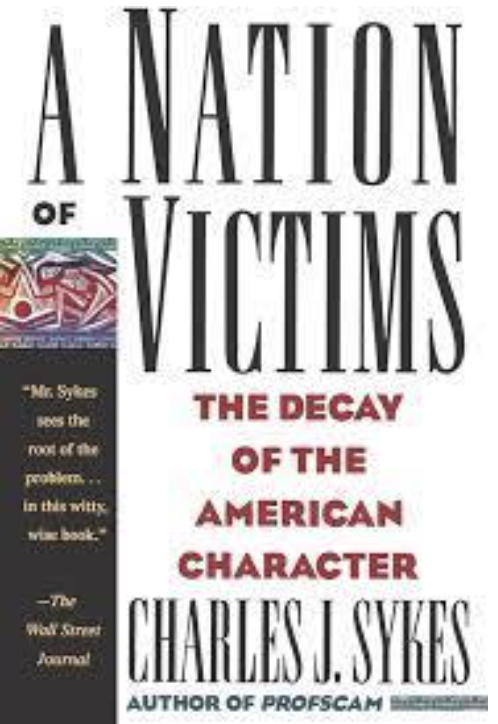
A Nation of Victims the Decay of American Culture

- 3 Credits - 


3 Semester Credits

(post-baccalaureate
PD credits for re-certification and
pay-lane increases
)

  • accredited nationwide
  • start any time
  • up to 5 months to complete
  • independent study
  • all course materials included with course tuition
  • view FAQ

Course Description

This course will examine the patterns and social behaviors of people who are aligning their identity and behaviors within the cultures of victimhood. The media often report single incidents as the norm and promotes victim mentalities to the general public. Social and public schools are a reflection of society and these victim excuses and labels have made their way into schools and classrooms nationwide. The historical and psychological roots of victim mentalities are explained in numerous categories to understand the various levels of implementation. Teachers will examine these victim issues and the latest research as it applies to parents and students in the classroom and school systems. Educators will learn and research this phenomenon and develop alternative perspectives for addressing the issues of victimhood. Teachers will develop lessons/activities for classroom applications that help all students become positive and self-responsible in all settings.

Teacher feedback about this course

$425

3 Semester Graduate Credits


Item categorypsychology-sociology-the-brain not found.Item ma-categorypsychology-sociology-the-brain not found.Item categorypsychology-sociology-the-brain2 not found.Item ma-categorypsychology-sociology-the-brain2 not found.

A Nation of Victims the Decay of American Culture

- 3 Graduate Credits -


Course Objectives

  1. Educators will acquire a framework of understanding the Society of Victims, their excuses, victim speak language and the ego’s role in the no-fault, no pain society that has developed.
  2. Students will learn of the roots of Victimism and how an inadequate self-identity along with the promotion of “I Deserve” or “Not my fault” and other entitlement labels or expectations.
  3. Educators will learn how the new Civil rights Revolution has expanded and created new disorders and handicaps to claim various psychological excuses from self-responsibility.
  4. Participants will explore the politically correct victimhood cultures that presume racism, sexism, homophobia, and other discriminatory labels or accusations to intimidate others.
  5. Educators will research the issues associated with victimhood and blaming society and traditional individuals or groups that have differing social, behavioral or political philosophies.
  6. Teachers will develop lesson/unit plans or activities to be utilized in schools to help students discern between valid or false judgments and to become self-responsible and positive citizens.

Credit Hours

3 Semester Credits
(post-baccalaureate professional development credit)

Course Instructor

Joseph C’de Baca MaEd.

Grade Type

University Transcript: Click Here For Details

A Nation of Victims the Decay of American Culture

What Others Are Saying About This Course

Peter M. – NJ –

“Thank you for being so considerate and understanding. If you need anything else please let me know.“

Amy L. – OR –

“Thank you so much for your time and consideration; have a wonderful rest of your weekend! Thank you so much again.“

Amy S. – OH –

“Thanks for getting back to me so quickly! I wanted you to know I enjoyed the books and coursework very much, and I plan to take further coursework through TLC in the years to come…”

TLC Testimonials

I would like to personally thank the individual or group who decided to offer courses that were very ideally fitting for educators. I am more excited about these courses than any professional development I have taken in over ten years. Thank you for thinking outside the box and offering courses that sound so fascinating and meaningful.”
– Tina B. , Maryland
Thank you very much, I appreciate your help in getting this to me for timely processing with my district.”
– Christine G. , Indiana
Thank you for your willingness to e-mail me promptly regarding my questions. I really, really appreciate the format that TLC provided me. I will definitely continue to share my positive experience with fellow staff and hopefully you will see continued fruit from that. I will definitely use TLC again.” – Darin K. , Oregon
My superintendant forwarded an email about TLC to me”
– J. Churchill. Danvers, MA
I heard about this program through a friend. The courses were approved by the Virginia Board of Education”
– M. Barry. Fairfax, VA
Thanks for the feedback on Part B of the coursework. I used it as part of a World Geography course, and it was a success, so I will make it a regular part of curriculum!…”
– Carolyn P. Boulder, CO – Understanding Hispanic Students and Issues


$425

(3 Semester Graduate Credits)


Continue Reading >>

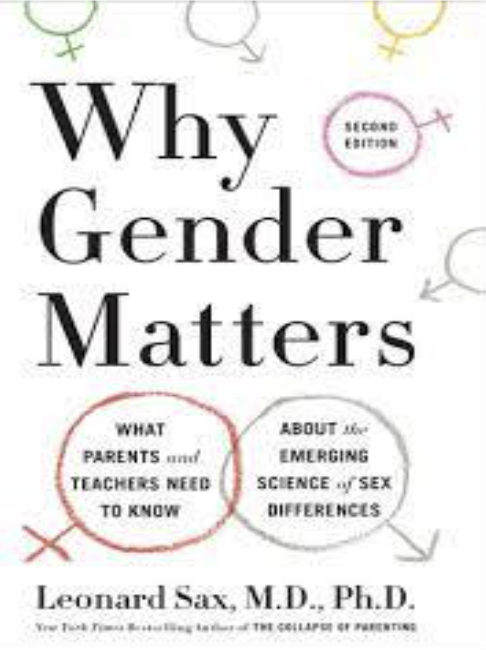
Why Gender Matters

- 3 Credits - 


3 Semester Credits

(post-baccalaureate
PD credits for re-certification and
pay-lane increases
)

  • accredited nationwide
  • start any time
  • up to 5 months to complete
  • independent study
  • all course materials included with course tuition
  • view FAQ

Course Description

This course will re-examine the basic gender differences and social behavior patterns that parents and teachers should know. Biological and psychological gender differences are examined regarding society. Teachers will examine the latest research as it applies to students and teachers in the classroom as well as school settings. Educators will learn about improving some gender accommodations for academic achievement of all students. Educators will research the basic gender differences as well as the alternative gender preferences and lifestyles that exist. Teachers will develop lessons or activities for classroom applications that help all students understand basic gender differences and alternative preferences so students can be successful in school and society.

Teacher feedback about this course

$425

3 Semester Graduate Credits


Item categorypsychology-sociology-the-brain not found.Item ma-categorypsychology-sociology-the-brain not found.Item categorypsychology-sociology-the-brain2 not found.Item ma-categorypsychology-sociology-the-brain2 not found.

Why Gender Matters

- 3 Graduate Credits -


Course Objectives

  1. Educators will understand the basic psychological behavior variations that exist along with the physiological differences that affect the bodies operational systems.
  2. Students will recognize the hidden roles and social class expectations regarding both sexes and approaches to addressing problems, risks and social group practices.
  3. Educators will analyze the gender behavioral variations in schools and social media influences and how sexuality may be affected in both school and public environments.
  4. Participants will study about how drugs and alcohol may be perceived differently between the genders and the potential consequences of abuses to young people.
  5. Educators will research the issues related to gender differences as well as the various alternative sexual preferences and identities that are currently affecting social norms.
  6. Teachers will develop a lesson/unit plan and or activity/project that involve gender differences and improve their understanding for better student instruction and learning.

Credit Hours

3 Semester Credits
(post-baccalaureate professional development credit)

Course Instructor

Joseph C’de Baca MaEd.

Grade Type

University Transcript: Click Here For Details

Why Gender Matters

Why Gender Matters

- 3 Credits -  3 Semester Credits (post-baccalaureate PD credits for re-certification andpay-lane increases) accredited nationwide start any time up to 5 months to complete independent study all course materials included with course tuition view FAQ Course Description This course will re-examine the basic gender differences and social behavior patterns that parents and teachers should know. Biological and psychological gender differences are examined regarding society. Teachers will examine the latest research as it applies to students and teachers in the classroom as well as school settings. Educators will learn about improving some gender accommodations for academic achievement of all students. Educators

TLC Testimonials

I would like to personally thank the individual or group who decided to offer courses that were very ideally fitting for educators. I am more excited about these courses than any professional development I have taken in over ten years. Thank you for thinking outside the box and offering courses that sound so fascinating and meaningful.”
– Tina B. , Maryland
Thank you very much, I appreciate your help in getting this to me for timely processing with my district.”
– Christine G. , Indiana
Thank you for your willingness to e-mail me promptly regarding my questions. I really, really appreciate the format that TLC provided me. I will definitely continue to share my positive experience with fellow staff and hopefully you will see continued fruit from that. I will definitely use TLC again.” – Darin K. , Oregon
My superintendant forwarded an email about TLC to me”
– J. Churchill. Danvers, MA
I heard about this program through a friend. The courses were approved by the Virginia Board of Education”
– M. Barry. Fairfax, VA
Thanks for the feedback on Part B of the coursework. I used it as part of a World Geography course, and it was a success, so I will make it a regular part of curriculum!…”
– Carolyn P. Boulder, CO – Understanding Hispanic Students and Issues


$425

(3 Semester Graduate Credits)


Continue Reading >>

USD – How Boys & Girls Learn Differently

- 3 Credits - 

Instructor:

Joseph C’de Baca MaEd.

Accredited By:

- University of San Diego

Grade Type:

University Transcript: Letter Grade

Course Description

This course will examine the learning differences between girls and boys. Their inherent learning and social dynamics are explored. The development differences, structure and spectrum of gender brain operations are explained.....

View Full Course Description

$425

3 Semester Graduate Credits


Item categorypsychology-sociology-the-brain not found.Item ma-categorypsychology-sociology-the-brain not found.Item categorypsychology-sociology-the-brain2 not found.Item ma-categorypsychology-sociology-the-brain2 not found.

USD - EDC-X764U - How Boys & Girls Learn Differently

- 3 Graduate Credits -


Course Objectives

  • Students will have a working knowledge of the inherent differences in learning approaches between boys and girls and how their minds are different.
  • Participants will analyze the social and psychological dynamics involving gender differences such as brain functional and chemical differences, as well as the advantages and disadvantages of taking a gender approach.
  • Educators will learn how to identify high-performing at-risk students and what parents can do to intervene when their child begins to fail in school.
  • Educators will examine the ideal classroom environments for pre-school, elementary, middle and high school classrooms. Strategies that stimulate and nurture student learning are also provided.
  • Teachers will write chapter reviews, research the topic and develop an application paper or lesson project activities that utilize the course content as it applies to classroom instruction and learning environments.
  • Credit Hours

    3 Semester Credits
    (post-baccalaureate professional development credit)

    Course Instructor

    Joseph C’de Baca MaEd.

    Accredited By:

    - University of San Diego

    Grade Type

    University Transcript: Letter Grade

    USD - EDC-X764U - How Boys & Girls Learn Differently

    What Others Are Saying...

    I would like to personally thank the individual or group who decided to offer courses that were very ideally fitting for educators. I am more excited about these courses than any professional development I have taken in over ten years. Thank you for thinking outside the box and offering courses that sound so fascinating and meaningful.”
    – Tina B. , Maryland
    Thank you very much, I appreciate your help in getting this to me for timely processing with my district.”
    – Christine G. , Indiana
    Thank you for your willingness to e-mail me promptly regarding my questions. I really, really appreciate the format that TLC provided me. I will definitely continue to share my positive experience with fellow staff and hopefully you will see continued fruit from that. I will definitely use TLC again.” – Darin K. , Oregon
    My superintendant forwarded an email about TLC to me”
    – J. Churchill. Danvers, MA
    I heard about this program through a friend. The courses were approved by the Virginia Board of Education”
    – M. Barry. Fairfax, VA
    Thanks for the feedback on Part B of the coursework. I used it as part of a World Geography course, and it was a success, so I will make it a regular part of curriculum!…”
    – Carolyn P. Boulder, CO – Understanding Hispanic Students and Issues


    Insert Content Template or Symbol

    Continue Reading >>
    1 2 3